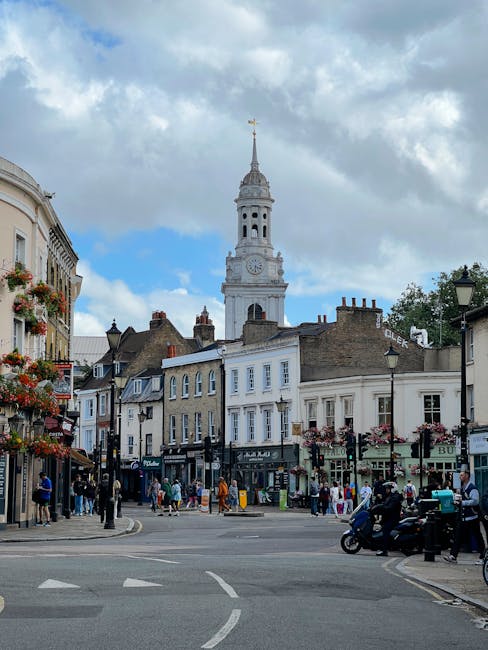
Cutty Sark removals tips for homes near Greenwich Market
If you are planning a move around Cutty Sark and Greenwich Market, you already know the area has its own rhythm. Streets can feel busy, parking can be tight, and timing matters more than you might expect. That is exactly why these Cutty Sark removals tips for homes near Greenwich Market are worth reading before you lift a single box. A little local planning can save you stress, money, and a lot of unnecessary shuffling back and forth. And yes, even a move that looks simple on paper can turn into a bit of a puzzle once you factor in market traffic, narrow roads, and building access.
In this guide, you will find practical advice for moving day planning, packing, access considerations, choosing the right removal support, and avoiding the mistakes that tend to catch people out in this part of Greenwich. If you are comparing service options, you may also want to review the broader services overview and the page for removals in Greenwich to see how a local team typically handles nearby moves.
Table of Contents
- Why these removals tips matter near Greenwich Market
- How a move near Cutty Sark and Greenwich Market works in practice
- Key benefits and practical advantages
- Who this is for and when it makes sense
- Step-by-step guidance for a smoother move
- Expert tips for better results
- Common mistakes to avoid
- Tools, resources and recommendations
- Law, compliance, standards and best practice
- Options and comparison table
- Case study or real-world example
- Practical checklist
- Conclusion
- Frequently asked questions
Why Cutty Sark removals tips for homes near Greenwich Market Matters
Moving in this part of Greenwich is not the same as moving on a wide suburban street with easy loading space. Around Cutty Sark, the market, the riverside, and the older residential streets create a mix of foot traffic, delivery activity, and limited stopping options. On a busy day, even a well-planned move can become awkward if the van arrives late or you have not thought through where everything will be loaded from.
That matters for a few reasons. First, it affects timing. Greenwich Market attracts visitors, so the area naturally gets busier at certain times, especially at weekends and during the warmer months. Second, access can vary a lot from property to property. A flat above a shop, a period terrace, or a riverside apartment may all have very different loading challenges. Third, there is the human factor. If you are already juggling keys, inventory lists, and tenancy deadlines, a small delay can feel like a big one.
In our experience, the people who have the smoothest move are usually the ones who plan around the area rather than just the house. That means thinking about road access, lift availability, stair width, packing strategy, and whether you need flat removals in Greenwich rather than a more general house move approach. The local context is half the battle, really.
Expert summary: A successful move near Cutty Sark is usually less about brute force and more about timing, access, and preparation. If you plan for the area's constraints, moving day becomes far more manageable.
How Cutty Sark removals tips for homes near Greenwich Market Works
At a practical level, a local move near Greenwich Market works best when you treat it as a sequence, not a single event. Start with access, then packing, then transport, then arrival. A lot of stress happens when people reverse that order and leave access questions until the van is already outside. Not ideal. Not even close.
For homes close to the market, the main moving variables usually include:
- the time of day and day of week you move
- whether the property has a lift, stairwell, or rear access
- how far the vehicle will need to park from the front door
- how much traffic and pedestrian activity to expect nearby
- whether you need packing support, storage, or a smaller van
This is where a local service can feel noticeably easier. A crew familiar with Greenwich streets will usually know how to work around tight turning space, where delays are more likely, and how to stage the job so the loading is efficient. If you are comparing providers, the pages for man and van Greenwich and man with van Greenwich are useful starting points because they explain the smaller-scale, flexible side of local moving.
There is also a difference between a straightforward single-drop move and something more complex. For example, a couple moving from a one-bedroom flat near the market may only need a compact vehicle and a few hours. A family move with furniture, fragile items, and storage needs may call for a more structured plan, perhaps even a combination of services. It depends. That is the honest answer.
Key Benefits and Practical Advantages
Getting the move right in this part of Greenwich is not just about convenience. It can reduce damage, lower the chance of last-minute chaos, and make the whole day feel calmer. That matters more than people sometimes admit. Moving day is already full of decisions, and nobody wants to spend it hunting for a parking space while a mirror wobbles in the back seat.
Here are the biggest practical benefits of planning properly:
- Less wasted time: good planning reduces waiting around for access or parking space.
- Lower risk of damage: clearer packing and better lifting reduce knocks and scrapes.
- Better control of costs: fewer delays usually means less overtime or avoidable extra labour.
- Less stress: when everyone knows the plan, the day feels far more manageable.
- Safer handling: heavy or awkward items are moved with more care and better coordination.
There is a quieter benefit too: you settle in faster. If your move is organised, you can get to the nice part sooner, which is unpacking, making tea, finding the kettle, and hearing the strange echo of your new place for the first time. That moment always lands differently.
For homeowners and renters who want a more comprehensive service, the local pages for house removals Greenwich and removal services Greenwich are worth exploring. They help frame what level of support is likely to suit your move.
Who This Is For and When It Makes Sense
These tips are especially useful if you live or are moving within walking distance of Cutty Sark, Greenwich Market, or the surrounding streets. That includes people in flats above shops, period properties with narrow staircases, riverside apartments, shared houses, and smaller family homes with limited loading space nearby.
It also makes sense if you are dealing with any of the following:
- a move that needs to happen on a specific day or within a tight window
- furniture that is awkward, heavy, or valuable
- a property with limited parking or difficult access
- a short-distance move where speed still matters
- a last-minute change of tenancy or completion date
Students, young professionals, landlords, and families all approach the move differently. A student might just need a careful box count and a small vehicle. A family may need packing support and storage. A landlord might need a fast turnaround between occupiers. There is no one-size-fits-all answer, which is why matching the move to the property matters so much.
If you are unsure which route to take, a smaller flexible option can suit a lighter move, while a more structured setup may be better for larger homes or bulky items. A local team should be able to talk through that without making it feel more complicated than it is.
Step-by-Step Guidance
Here is a practical way to handle a move near Greenwich Market without turning the day into a scramble.
- Check access early. Look at the street layout, entrance points, and where a van could stop without blocking traffic or pedestrian flow.
- Choose a sensible time window. If you can avoid the busiest market periods, do it. Even a small timing adjustment can make a big difference.
- Sort your items by priority. Pack essentials separately so they are easy to reach when you arrive.
- Measure bulky furniture. Sofas, wardrobes, and beds often cause the most trouble, especially in older buildings.
- Label boxes clearly. Use room names and a short contents note. Future you will be grateful, trust me.
- Protect fragile items properly. Glassware, lamps, mirrors, and kitchen items need padding and sensible box packing.
- Keep walkways clear. Inside the property, clear routes help movers work safely and faster.
- Confirm final details the day before. Check arrival time, contact numbers, access instructions, and what is being moved.
- Plan the unpacking order. Put beds, bedding, chargers, and basic kitchen bits near the top of the stack.
A move near the market is much easier when you separate it into small, practical tasks. It sounds obvious, but people often skip this and then wonder why the day feels chaotic by 10 a.m.
If your move involves a lot of wrapping, boxes, and protective materials, you may also want to look at packing and boxes Greenwich and the slightly broader package and boxes Greenwich page for packaging support and supply guidance.
Expert Tips for Better Results
Local moving jobs tend to go best when the small things are handled well. Here are the tips that make a real difference, especially in a busier part of Greenwich.
- Pack one "first night" bag. Put toiletries, chargers, medications, kettle essentials, and a change of clothes in one easy-to-reach bag.
- Use colour coding. It sounds a bit over the top until you are standing in a hallway trying to work out which box belongs where.
- Take photos of cable setups. TV units and workstations are much easier to rebuild if you know what goes where.
- Disassemble furniture only when needed. Over-disassembly can create more chaos than it solves.
- Protect floors and corners. Older properties and freshly painted walls are easy to mark during a rushed move.
- Reserve extra time for the final sweep. People always leave something in a kitchen drawer. Always.
One thing we often suggest is keeping a simple moving-day note on your phone with contact details, access instructions, and a rough item list. It is low-tech, but it works. If you are moving into a flat with shared access or a managed building, this can save a surprising amount of back-and-forth.
And if you are comparing removal support options, the page for removal van Greenwich is useful when you want to understand vehicle-based support rather than a bigger, more complex removal setup.
Common Mistakes to Avoid
Most moving problems near Greenwich Market come from a few predictable mistakes. The good news is that nearly all of them are avoidable. The less good news is that they are also the kind people only remember after the problem has already happened. Typical.
- Ignoring market traffic patterns: a time that seems fine on a map may not be fine on the ground.
- Underestimating access issues: stairs, narrow entrances, and awkward corners can slow everything down.
- Packing too late: rushed packing usually means broken items and missing essentials.
- Not measuring furniture: a sofa that will not fit through the hallway is a very common headache.
- Leaving all essentials in random boxes: then you end up opening six boxes to find a phone charger.
- Choosing the wrong type of moving support: a small move may not need a large setup, but a bigger one usually needs more structure than a simple van.
Another mistake is not asking about safety and insurance. Any professional moving arrangement should be clear about how items are handled, what support is included, and what happens if something goes wrong. That transparency matters. A lot.
For readers who want extra reassurance, it can help to review insurance and safety and the company's health and safety policy before booking.
Tools, Resources and Recommendations
You do not need a pile of specialist equipment to move well, but having the right basics makes life easier. A few sensible tools can save a lot of lifting, re-packing, and mild swearing under your breath.
| Tool or resource | Why it helps | Best used for |
|---|---|---|
| Strong boxes | Protects contents and makes stacking safer | Books, kitchenware, decor, clothing |
| Packing paper or wrapping material | Reduces scratches and breakage | Glass, ceramics, ornaments, lamps |
| Labels and marker pens | Makes unpacking far faster | Room-by-room organisation |
| Furniture covers or blankets | Helps protect surfaces during loading | Tables, wardrobes, sofas |
| Trolley or dolly | Reduces manual strain on heavier items | Boxes, appliances, compact furniture |
On the service side, it is worth checking whether you need help with the move itself, the packing, or temporary storage. Some people only need transport. Others need the lot. If you are in the second group, the page for storage Greenwich can be a useful next step, especially if move-out and move-in dates do not line up neatly.
For a more general service comparison, removal companies Greenwich gives you a sense of what a wider moving search might involve, while man with a van Greenwich suits smaller, simpler jobs where flexibility matters most.
Law, Compliance, Standards and Best Practice
For most home moves, you do not need to become an expert in transport law overnight. Still, there are a few sensible compliance points worth keeping in mind. Local moving work should be carried out safely, with proper care for both the property and the people involved. That includes safe lifting, sensible loading, clear communication, and respectful handling of items and access routes.
In practice, the important best-practice points are usually:
- make sure access arrangements are agreed in advance
- share any building rules or loading limitations before moving day
- keep walkways clear to reduce trip hazards
- ask how fragile, valuable, or awkward items will be handled
- confirm the service terms before work begins
If you are booking a professional mover, read the relevant service terms carefully. It is not the most exciting part of the process, granted, but it helps prevent misunderstandings about timings, responsibilities, and what is included. The same goes for payment handling. A clear process is usually a good sign, and you can review the company's payment and security information and terms and conditions for extra clarity.
For larger or more specialised jobs, such as moving a piano, extra care is essential. Not every item can be treated the same way, and that is where specialist handling matters. If this applies to you, the dedicated piano removals Greenwich page is the right place to start.
Options, Methods, or Comparison Table
Choosing the right moving method depends on the size of your home, the distance travelled, and how much access is working against you. A compact flat near the market does not need the same approach as a full family house move, and that distinction matters more than people think.
| Moving option | Best for | Pros | Trade-offs |
|---|---|---|---|
| Man and van | Small to medium local moves | Flexible, efficient, often ideal for tight access | May not suit very large moves or many bulky items |
| Dedicated removal service | Full home moves or more complex jobs | More structured, better for larger inventories | Can be more involved to arrange |
| Self-managed move with hired vehicle | Very budget-conscious, small-scale moves | Control over timing and packing | More physical effort and higher risk of delays |
| Move with storage | Gaps between tenancies or completion dates | Flexible when dates do not align | Needs planning around storage duration and access |
If your move is time-sensitive, the page for same day removals Greenwich is also worth noting. It is not for every situation, but when timing is suddenly tight, it can be the difference between manageable and chaotic.
Case Study or Real-World Example
Picture a fairly typical Greenwich scenario. A couple is moving out of a second-floor flat a short walk from Cutty Sark. They have a sofa, a bed frame, a dining table, around 20 boxes, and a few fragile items from the kitchen. Nothing outrageous. But the street is busy by late morning, and parking is more awkward than they first assumed.
What made the move work was not speed alone. They had packed two days earlier, labelled boxes by room, and kept the essentials bag separate. They also checked access in advance and agreed a loading time before the busiest part of the day. The movers could start straight away instead of standing around while someone hunted for keys or moved boxes from a hallway pile. Small detail, big difference.
The couple also had one bulky item that nearly caused trouble: a wide bookshelf that looked harmless in the lounge but turned out to be awkward in the stairwell. Because they had measured it beforehand, they knew to dismantle it before moving day. That one decision probably saved half an hour and a bruised wall. Maybe more.
This is exactly the kind of move where a local, compact service makes sense. Not too much fuss, not too little support. Just enough structure to keep the day moving.
Practical Checklist
Use this as a final pre-move check. It is simple, but it catches a lot of the usual slip-ups.
- Confirm your moving date, time, and contact number
- Check access instructions for the property and building
- Measure any large furniture or awkward items
- Pack fragile items with enough protection
- Label all boxes by room and priority
- Set aside documents, keys, chargers, and essentials
- Clear hallways, landings, and entrance routes
- Separate items that need special handling
- Review service terms, payment details, and insurance info
- Plan where the van can stop without causing avoidable disruption
Quick reminder: if the move feels more complicated than you expected, that is usually a sign to slow down and re-check the access plan. It is far better to spend 10 minutes thinking than 1 hour fixing a rushed mistake.
Conclusion
Moving near Cutty Sark and Greenwich Market does not need to feel overwhelming. Once you understand the local access issues, the timing pressures, and the value of good packing, the whole process becomes far more predictable. The key is simple: plan around the area, not just the address. That mindset alone will save you trouble.
Whether you are moving a small flat, a family home, or a few awkward pieces of furniture, local knowledge and careful preparation go a long way. And to be fair, a calm move is a nicer way to start a new chapter than dragging boxes through a crowded street while wondering where the tape went.
If you are comparing moving support, reviewing the available service options, or checking what others have said on the testimonials section can help you decide what level of help feels right. If you want a broader read on Greenwich living and local context, the blog section also has useful articles worth a look.
Get a free quote today and see how much you can save.
And when the last box is in, take a breath. The kettle goes on, the street noise settles, and the new place slowly starts to feel like yours.
Frequently Asked Questions
What should I do first when planning a move near Greenwich Market?
Start with access and timing. Check where a van can stop, how busy the street is likely to be, and whether your building has any restrictions or awkward entry points.
Are mornings better than afternoons for removals around Cutty Sark?
Often, yes, but it depends on the day. Earlier starts can help you avoid heavier pedestrian traffic and make parking easier before the area gets busier.
Do I need a full removal company for a small flat move?
Not always. A smaller move may be better suited to a flexible man with van Greenwich service, especially if access is tight and the inventory is modest.
How far in advance should I book a mover for a Greenwich Market area property?
As soon as you can. Busy local areas tend to have limited ideal slots, and planning ahead gives you more flexibility on timing and vehicle size.
What if my furniture does not fit through the stairwell?
Measure before move day where possible. If something looks tight, dismantle it in advance or ask the mover whether it needs specialist handling.
Can I move on a weekend if I live near the market?
You can, but weekends may be busier because of market footfall and local activity. If you have a choice, compare a few timing options before you commit.
Is storage useful if my move-out and move-in dates do not match?
Yes, very much so. Temporary storage can take pressure off the move if you need to bridge a gap between properties or completion dates.
How do I protect fragile items properly?
Wrap them individually, use sturdy boxes, fill empty spaces so items do not shift, and keep the heavier objects at the bottom. Fragile items fail when they can move around too much.
What should I check before hiring a moving service?
Look at what is included, how access will be managed, what the payment terms are, and whether the service is suitable for your property type. The pages for pricing and quotes and payment and security are useful for that kind of review.
Can movers help with heavy or unusual items like a piano?
Yes, but it is best to use a service designed for that kind of item. Specialist handling matters for weight, shape, and the risk of damage, which is why dedicated piano support is worth considering.
What is the biggest mistake people make on moving day in this area?
Underestimating access. The move itself may be straightforward, but the route in and out of the property is often where delays start.
How can I make unpacking less chaotic?
Pack one essentials box or bag, label rooms clearly, and keep everyday items together. A bit of order on the front end saves a lot of hunting later.