Greenwich man and van services in Greenwich

Our Greenwich man and van service is set up for straightforward moves, single-item transport and practical help when you need a vehicle, loading support and a careful approach in one booking. It suits homes, flats and small businesses that want a flexible removal option rather than a full-scale moving operation. We handle items with attention to access, handling and secure placement so your belongings are moved in a way that feels organised and manageable.
The service can cover local moves, collections, deliveries and short-notice transport where a van is the right fit. For larger or more involved removals, the work can be planned as part of a broader moving arrangement. If you are comparing options, the man with van page gives a clear view of the core service format, while this homepage focuses on how that approach can work for customers in Greenwich.
We keep the process practical from the first enquiry through to the final unloading point. Tell us what needs moving, where it is going and whether there are awkward access points, stairs or items that need particular care. A clear brief helps the quote reflect the actual job, and it also makes it easier to match the vehicle and loading plan to the task. If you are ready to take the next step, request a quotation when you are happy with the outline.
Flexible transport for homes, flats and small premises
A man and van arrangement is often chosen because it sits between a simple courier job and a full house removal. It is useful when the load is too awkward for a standard car yet does not call for a large team. That can include a few furniture items, boxed belongings, appliances, stock transfers or a move from one property to another. The advantage is not just the van itself, but the combination of transport, loading help and sensible planning around the route and access.
If you are weighing up service types, our removal services page sets out the wider range of moving work we can cover, while the smaller-van approach is often best when you want to keep the job proportionate to the volume involved. We can discuss the likely vehicle size, how much help is needed for lifting and whether the move should be grouped with other items to make the trip efficient. For some customers, the right answer is a single collection; for others, it is a compact move with a careful handover at both ends.
The key decision is usually whether the items can be loaded safely and whether the destination is easy enough to reach. Narrow staircases, limited parking and heavy pieces all influence the most sensible arrangement. A good quote should reflect those details rather than treat every move as identical. Simple jobs still benefit from clear planning, because a well-matched vehicle and a defined loading order reduce avoidable delays and make the whole move easier to manage.
House moves and room-by-room relocation

For smaller domestic removals, a man and van service can be a practical way to move selected rooms, student belongings, studio flats or a partial household load. It is often used when the property is not filled to the level that justifies a larger removal crew, yet the contents still need more than a basic transport drop-off. The service can be adapted to suit the amount of furniture, the number of boxes and the level of assistance required on the day.
Where the move involves more than a few items, our home moves page covers the broader domestic moving service, including the type of support that is helpful when you are transferring an entire household or a substantial part of one. In practice, many customers use the van-based option for lighter load profiles, one-bedroom moves or staged relocation where items are moved in phases. That flexibility can be useful if keys, access times or the timing of collection and delivery are not identical.
To make the job smoother, it helps to identify bulky pieces, fragile items and anything that may need dismantling or reassembly before loading begins. You do not need a polished inventory to start a conversation, but a straightforward description of the items and access conditions allows the service to be costed more accurately. That is especially helpful when stairs, shared entrances or restricted parking are involved, because the practical side of the move matters as much as the distance.
Careful handling for furniture and individual items
Not every booking is a full removal. Many people use a man and van for one or two sizeable items, a bed, wardrobe, table, sofa or appliance that is too difficult to move alone. In those cases, the value of the service is in the combination of transport and handling. Items can be protected, positioned sensibly in the van and unloaded at the destination with attention to placement and access. This is often the simplest way to move something heavy without arranging a bigger operation.
When the work is focused on one item or a small set of pieces, the furniture pick-up page is useful if you are looking for a more item-specific service. That kind of arrangement can suit second-hand purchases, replacement furniture or a piece being moved between properties. It also helps when the main concern is not volume but the shape, weight or handling requirements of the item itself. The right service should feel proportionate and controlled rather than overcomplicated.
Measure, describe and check access are the three details that help most with furniture moves. If a sofa needs to pass a tight hallway or a large cabinet will need to be tilted or dismantled, those points should be mentioned before the job is booked. The result is a more realistic quote and a better chance of choosing the right vehicle. In many cases, the job can be completed quickly once the loading plan is clear.
Packing support and move preparation
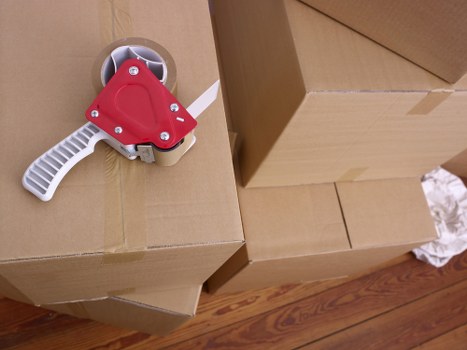
Some customers want more than transport and loading. When belongings need to be boxed, wrapped or organised before moving day, packing support can save time and reduce stress around the handover. The service is most useful when there are fragile items, mixed-room contents or a move that needs to be completed in stages. Good packing is not about making everything look identical; it is about making items easier to carry, stack and place safely inside the van.
If you need help at both ends of the move, the packing and unpacking services page explains that kind of support in more detail. It is especially relevant when time is limited or when you would prefer items to be organised systematically before transit. Packing can also be useful where the journey is short but the items are awkward, because secure wrapping and sensible grouping make the loading process more controlled and protect against unnecessary knocks.
For a quotation, it is usually enough to say whether packing materials are already prepared, whether fragile items need extra care and whether the work is being done before collection or after delivery. These details affect the labour involved and help distinguish a simple transport booking from a more hands-on moving service. If you would like help shaping the brief, send the essentials first and then add any special handling notes that matter to the move.
Commercial moves and office transport
Man and van work is not limited to domestic moves. It can also suit small commercial relocations, stock transfers and office items that need moving without the scale of a full-site operation. A compact vehicle can be useful for chairs, desks, files, equipment and boxed materials, particularly when the destination is another local premises or a storage point. The main aim is to keep the transfer orderly so that business items arrive ready for use rather than mixed up or poorly packed.
For more structured business relocation, our office relocation services page explains the wider scope of office moving support. The man and van approach, by contrast, is often the better fit for a smaller workspace, a partial office move or a series of lighter runs. It can also help when the move has to work around opening hours, lift access or limited loading space. In those circumstances, the service is less about scale and more about timing and straightforward execution.
A useful way to plan a commercial job is to group the items by priority: what has to move first, what can wait and what requires special care. A short list of desks, monitors, archive boxes or filing units is usually enough to start the quoting process. If the move involves sensitive equipment or items that must stay upright, say so early. Clear handling notes make a practical difference, because they help set the right vehicle and loading sequence from the outset.
About Greenwich
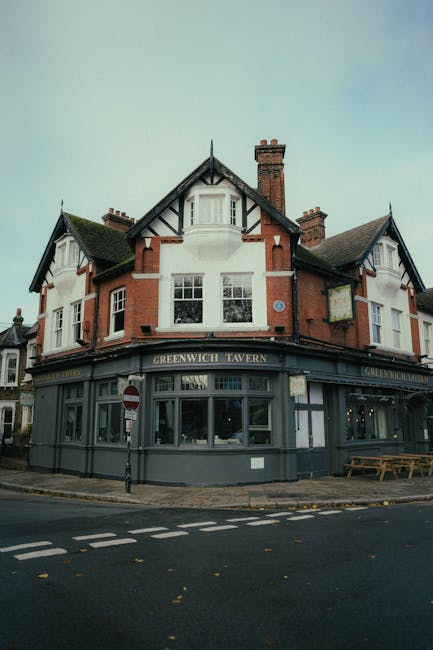
Greenwich is a riverside district in south-east London with a long association with maritime history, royal architecture and public green space. The area sits on the south bank of the River Thames and is closely linked to the broader story of London as a port and trading city. Greenwich Park is one of its best-known open spaces, rising above the river with wide views and historic connections that reach back through the centuries. The park is also home to the Royal Observatory, whose location on the meridian line has made Greenwich familiar far beyond the borough boundaries. Nearby, the Old Royal Naval College forms a major architectural ensemble with a formal riverside setting and a strong visual presence.
Access, parking and loading considerations
When moving in Greenwich, access can shape the booking as much as the distance between addresses. Flats, terraces and mixed-use streets often involve stairs, shared entrances or controlled parking, so it helps to know in advance where the van can stop and how far items will need to be carried. That information makes it possible to plan the loading order, estimate labour sensibly and avoid surprises on the day. A move that seems simple on paper can become more involved if the access route is narrow or parking is limited.
The removal van page is useful if you want to understand the vehicle side of the job in more detail. A suitable van should be selected for the load, the access conditions and the kind of items being moved. Choosing the right size matters because a van that is too small may require extra trips, while one that is unnecessarily large can be awkward in constrained streets. Good planning keeps the service proportionate and helps protect the items while they are in transit.
For a better quotation, include the collection and delivery postcodes, the number of floors at each end and whether parking is straightforward or limited. If there are lifts, mention whether they can be used for large items. Those practical details are often the difference between an approximate estimate and a quote that closely reflects the work. Where access is easy, the move can be efficient; where it is not, the plan needs to account for the extra effort involved.
Local collections, deliveries and short-notice transport

Many man and van bookings are not removals at all, but simple transport tasks. That can include collecting purchases, moving stock between addresses, taking items to storage or delivering furniture and other bulky goods to a customer, client or relative. The advantage is convenience: one booking can combine collection, loading and delivery without the need to arrange separate transport. For items that are too large for a normal vehicle, this can be the most straightforward solution.
If your requirements are closer to delivery and collection work, the removals near me page can help you compare the broader local moving options available. It is often useful where the job needs to stay close to home, or where you want a practical service for a one-off run rather than a large-scale relocation. The essential questions remain the same: what is being moved, how heavy it is and whether there is any handling that needs to be done with extra care.
When you enquire, try to describe the items in plain language. The more accurate the description, the easier it is to decide whether a man and van is the right fit or whether a different type of removal work is more suitable. Reliable information at the start saves time later, especially when a booking involves mixed items, delicate surfaces or a destination with limited access. If you are ready, send the details and ask for a quotation.
How the service is priced and planned
Quotes for a man and van service are usually shaped by a small number of practical factors: the amount of furniture or boxed goods, the journey distance, the ease of access and the level of loading help required. Special handling, awkward stairs or multiple stops can also influence the final arrangement. Rather than treating every move as identical, a good quotation should match the actual job. That is why a short but accurate description is more helpful than a vague request for a generic rate.
Our pricing and quotes page is the best place to look if you want to understand how quotation requests are handled in general. For the move itself, the key is to set out the scope honestly and clearly: what needs to travel, where it is going and whether the service includes packing, furniture handling or more than one collection point. If you are comparing options, that level of clarity makes it easier to see which arrangement is most sensible for your circumstances.
It can also help to note whether the job is a one-off item move, a room clearance, a short local relocation or a business transfer. Each of those carries a different balance of time, handling and loading effort. Accurate scope produces a better match between the vehicle, the labour and the work required, which is better for both planning and cost control. If the details are straightforward, the quote process is usually straightforward too.
Insurance, safety and careful handling

Transporting belongings safely depends on more than simply loading them into a van. Items need to be arranged so that they are stable in transit, heavier pieces are positioned sensibly and fragile goods are not pressed against hard edges. This applies whether the job is a single-item collection or a longer domestic move. Good handling is about reducing avoidable movement and making sure the load is secure before the vehicle sets off. That practical approach is part of what customers expect from a professional man and van service.
If you want to read more about general service standards, the insurance and safety page provides the broader policy context, while the moving process itself still depends on clear loading choices and sensible care. Not every item needs special treatment, but some do, and those items should be identified from the start. Mirrors, glass, delicate finishes and unusually heavy pieces all benefit from a careful plan. The better the preparation, the lower the chance of problems during lifting or transit.
To finish, the most useful next step is a simple one: tell us what you need moved, when you want it done and where it is going. If the job includes stairs, narrow access, furniture dismantling or packing support, include that too. Then ask for a quotation. The clearer the brief, the easier it is to suggest the right approach and give you a sensible price for the work.